Small Habits That Make Shared Transit Space Work Better
Make bus and rail journeys easier with practical habits for boarding, bags, priority spaces, audio, and getting ready for your stop.
Updated October 30, 2026
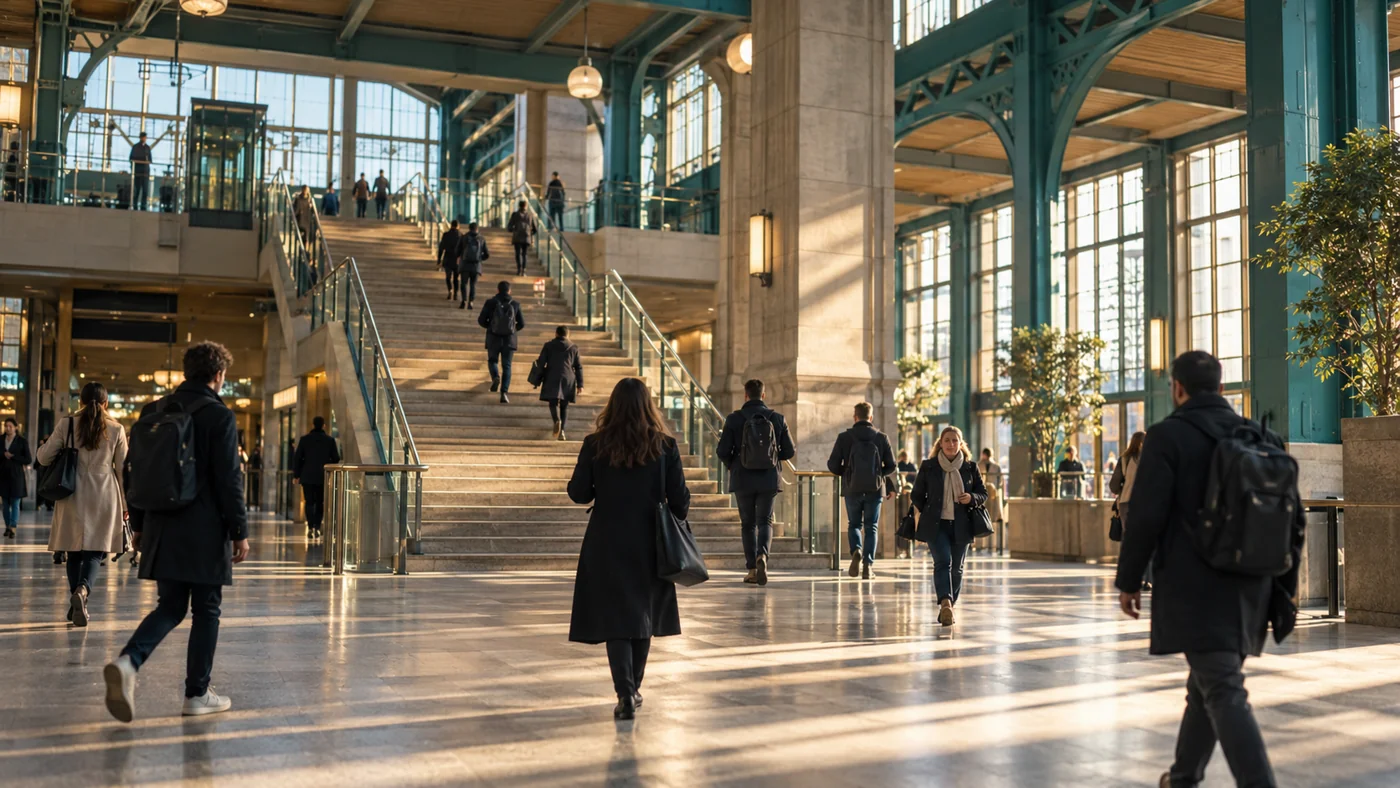
A crowded vehicle works better when each person leaves room for others to move. Transit etiquette is largely a set of practical habits: prepare before boarding, keep circulation space clear, and notice when someone needs access. Local rules still matter, especially for bicycles, mobility devices, and luggage.
Prepare before the doors open
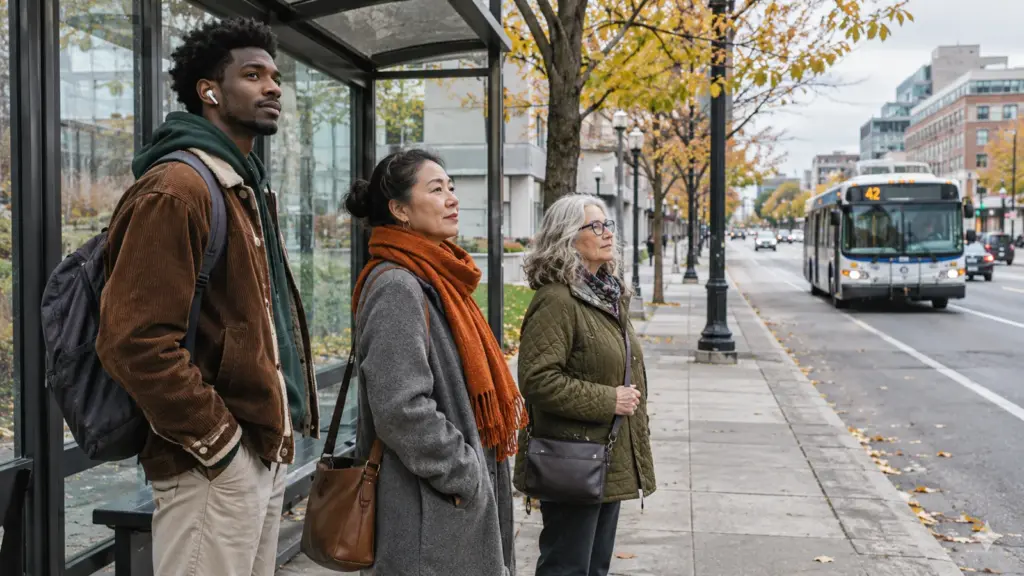
Have the required payment or ticket ready and stand where people can exit. Let passengers alight before boarding unless staff direct otherwise. Once aboard, move away from the entrance when space allows instead of stopping at the first convenient spot.
Check the operator’s conduct rules. SFMTA’s safety and good-conduct guidance describes expectations on its services. Food, bicycles, animals, and other items can be treated differently across systems, so a habit learned in one city may not fit another.
Give bags a defined place
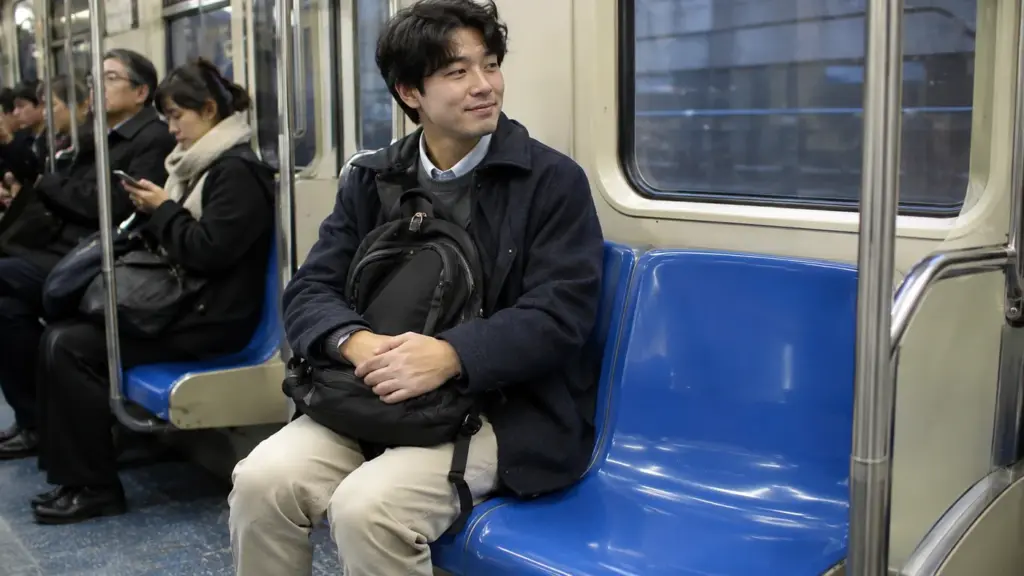
Keep luggage under your control and out of aisles, doors, and priority areas. In a crowd, lowering a backpack from your shoulders can reduce the space it occupies and help you avoid bumping other passengers. Do not put a bag on a seat when people need seating.
If you travel with a large item, check whether it is permitted before boarding. Consider whether you can move and secure it without depending on strangers to manage it for you. Avoid blocking an accessible area even when no one appears to need it at that moment.
Notice access and seating needs
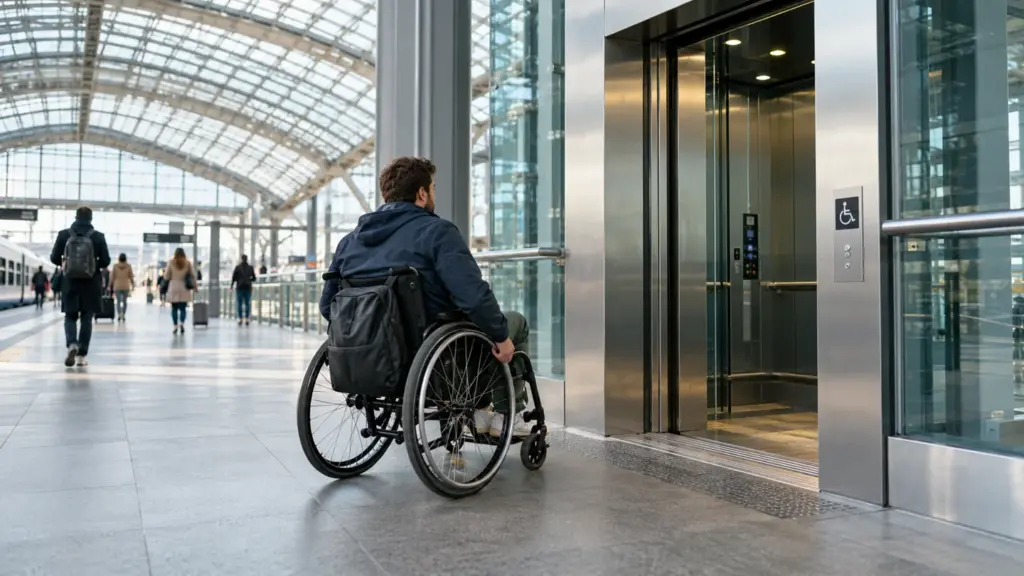
Follow posted priority-seating instructions and make space when requested. Not every disability or need is visible. Ask whether assistance would be useful instead of grabbing a person or their mobility equipment without permission.
Bicycle rules are particularly specific. BART’s current bike rules include restrictions involving crowding, cars, and circulation space. Check current rules rather than relying on an old article or a previous journey.
Keep the journey predictable
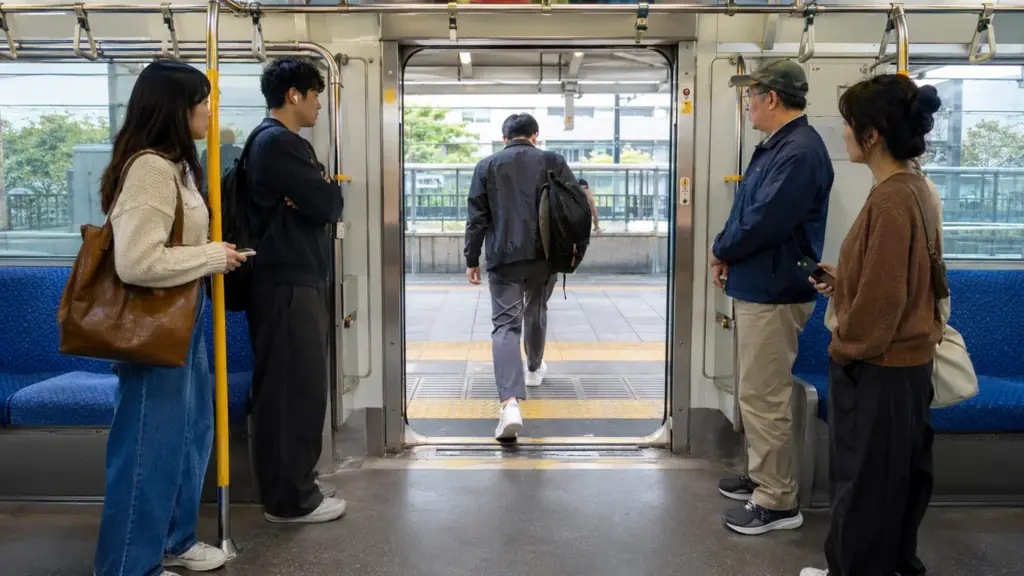
Use headphones at a level that lets you remain aware of announcements and your surroundings. Keep calls considerate and avoid spreading belongings across shared surfaces. As your stop approaches, gather your things without pushing through people prematurely.
If you cannot reach the door in time, do not force it or obstruct closure. Continue to the next stop and follow the operator’s guidance. Small predictable actions help everyone navigate a busy vehicle with fewer surprises.