How to Check a New Transit Route Before Monday
Check stops, service patterns, transfers, payment, and the final walk before relying on a new bus or rail route for your daily commute.
Updated October 30, 2026
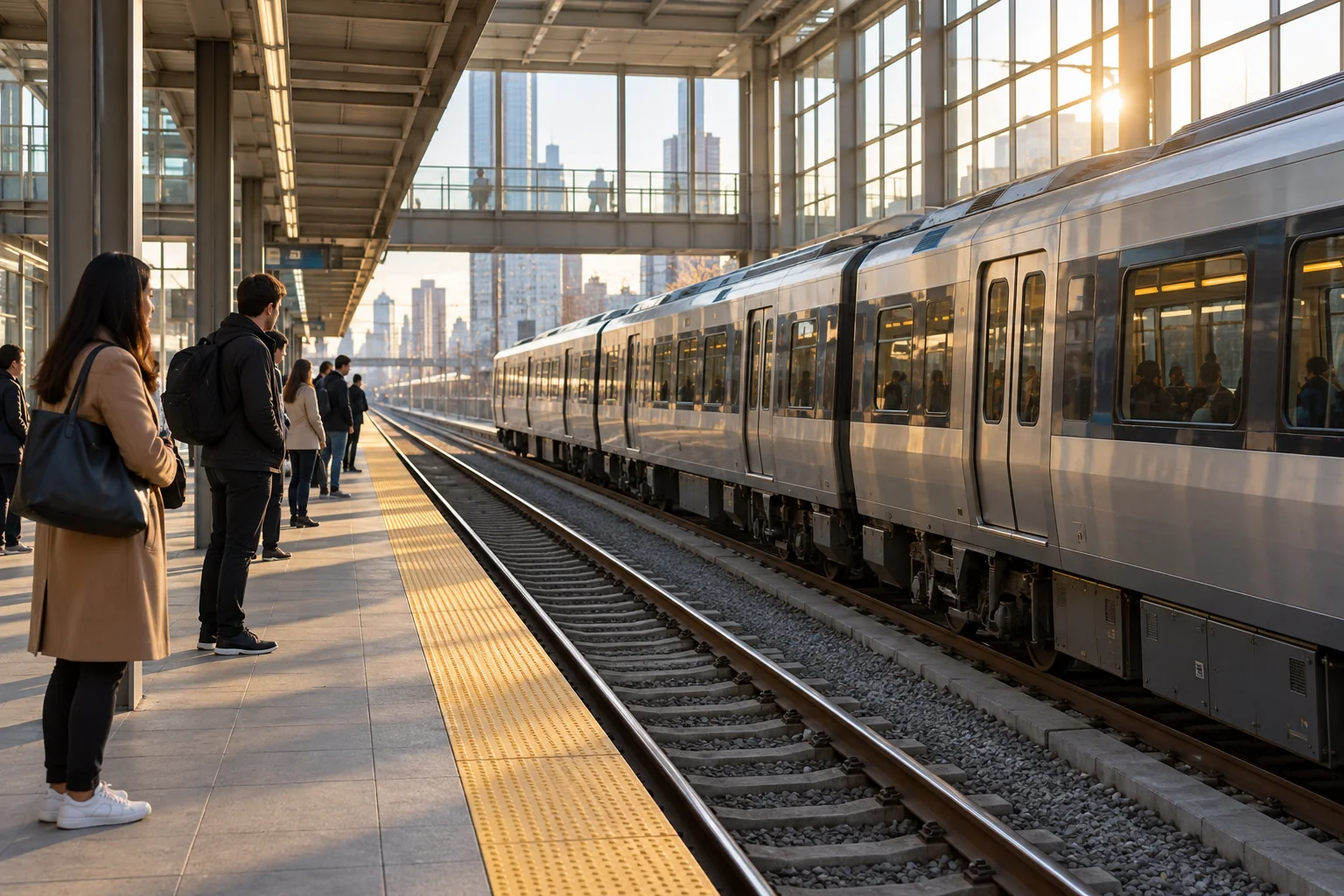
A transit route is more than a line between two stations. The useful question is whether you can complete the whole journey at the time you need, in both directions. A few checks before the first workday can reveal a missing connection or an awkward final walk while there is still time to choose another plan.
Confirm the exact service
Identify the operator, route number or line name, direction, boarding location, and destination. Check whether the service runs on your travel day and whether an express or limited-stop pattern skips the stop you need. Use the operator’s current timetable and alerts alongside any journey-planning app.
Agency tools such as LA Metro’s riding information and WMATA’s commuter guide provide a starting point for their systems. The corresponding local agency is the authority for your actual route.
Walk through the transfer on paper
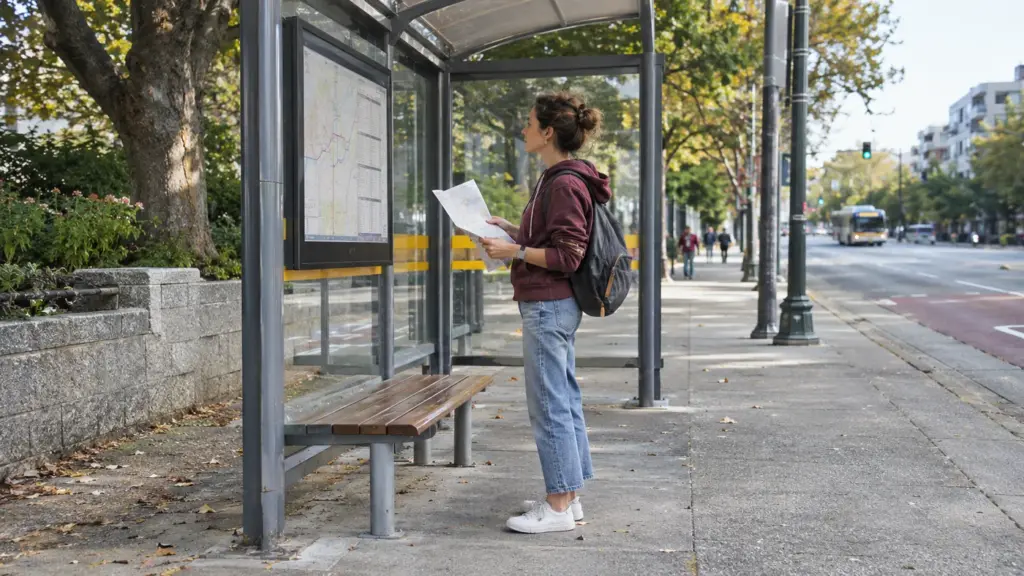
Look at how you move between services. A transfer may involve another platform, a street crossing, an elevator, or a different station entrance. Allow time for the physical connection rather than treating the vehicles’ arrival and departure times as the entire transfer.
Check what happens if you miss it. A frequent next service creates a different risk of delay from a connection that runs only occasionally. If the transfer is especially tight, compare a less complicated route even when its scheduled journey is longer.
Prepare payment and access
Confirm the accepted payment method and whether the same card or ticket works across operators. Check any activation, validation, or transfer requirements before reaching a crowded boarding point. Keep a permitted alternative available if your usual method depends on a phone battery or connection.
If you need step-free access, examine the complete route through each station and check current elevator information. An accessible vehicle does not, by itself, establish that every connecting path will be usable that day.

Test the final walk and the trip home
Locate the workplace entrance and choose a walking route from the correct exit. Then check the return stop, service frequency, and last useful departure. A stop across the street may serve a different branch or require a different entrance.
On a trial trip, record actual door-to-door time and where you needed extra help finding your way. Save the essential route details offline. You now have a workable first version of the journey, which you can refine after a few ordinary travel days.