
Planning an Accessible Transit Journey From Door to Door
Check station entrances, elevators, boarding arrangements, transfers, and backup options when planning an accessible bus or rail journey.
Updated October 30, 2026
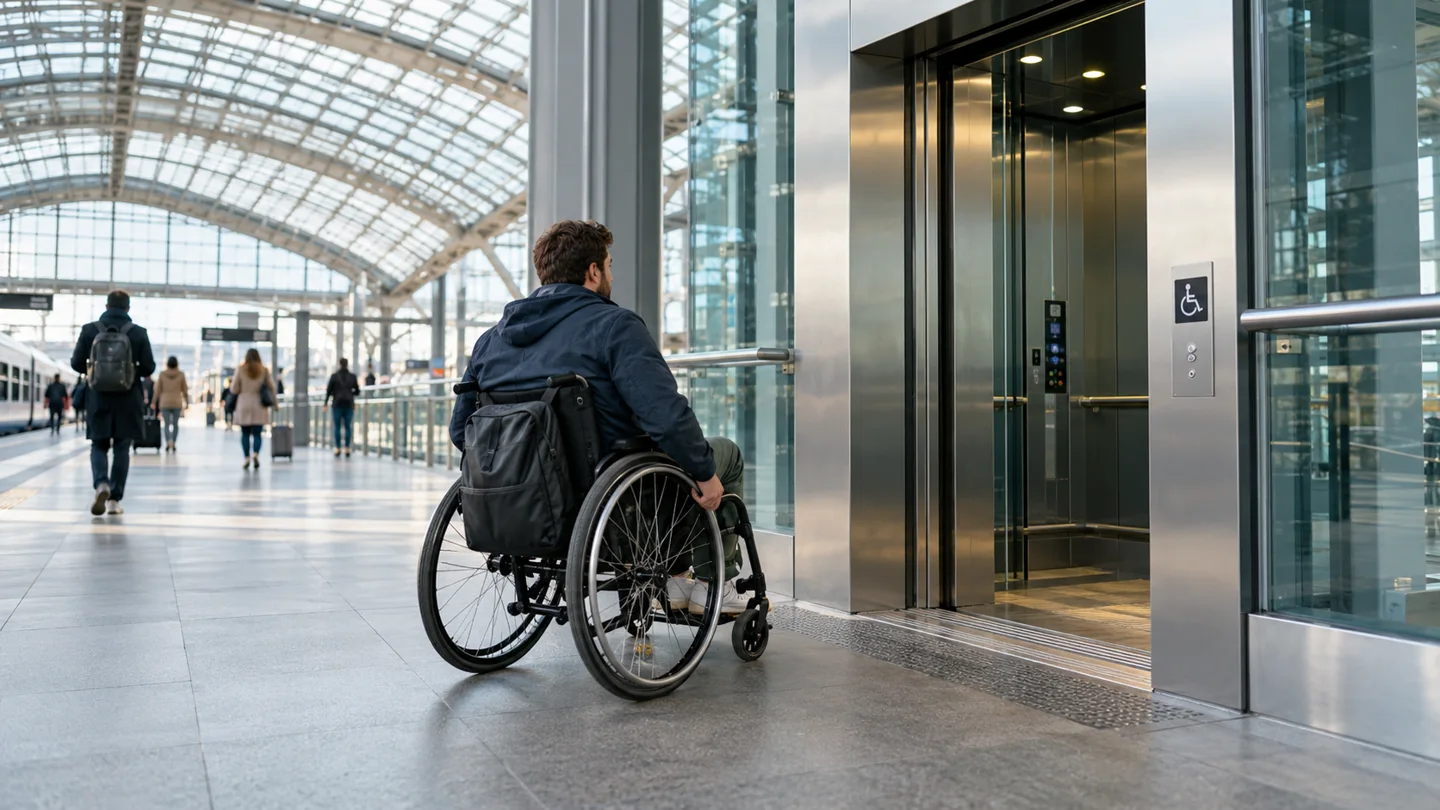
An accessible journey depends on a connected route, not a single symbol on a map. The path to the stop, the entrance, the vehicle, the transfer, and the destination all matter. Begin with the features you need and check how each stage of the journey provides them.
Describe the route you need
Identify whether you need step-free access, a ramp, a particular boarding arrangement, seating, clear audio or visual information, or assistance navigating a large station. These needs differ between travelers and can change from day to day.
Use the agency’s detailed guide. LA Metro’s accessibility guide and BART’s accessibility overview show the kinds of system-specific information available. Contact the relevant agency if a critical detail is unclear rather than interpreting a general accessibility icon as a guarantee.
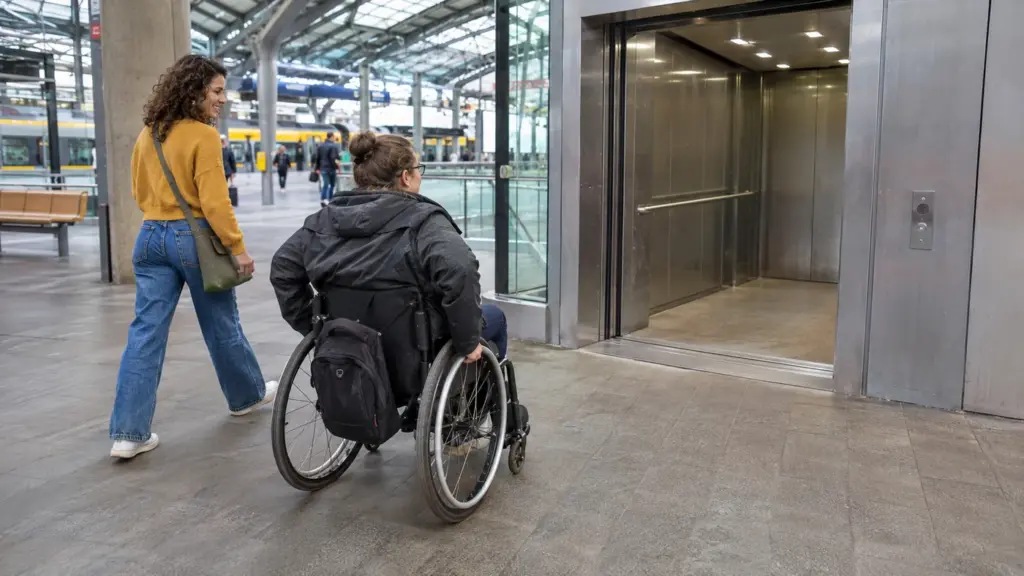
Check entrances and connections
Some stations have several entrances with different facilities. Locate the entrance that serves your route and check the path from the street to the correct platform. Transfers may require leaving a paid area, crossing a road, or using more than one elevator.
Look at the destination as carefully as the starting point. A route that gets you onto a train still needs to get you out of the arrival station and to the building entrance you can use.
Verify operating status near departure
Equipment status can change after you plan. Check the operator’s current alerts and elevator information shortly before traveling. For example, BART publishes elevator status separately from its general station descriptions.
Identify an alternative station or service in advance, including the extra travel involved. If an elevator outage changes the journey, ask the operator about the available assistance and alternatives. Do not assume the next station provides an equivalent connection.
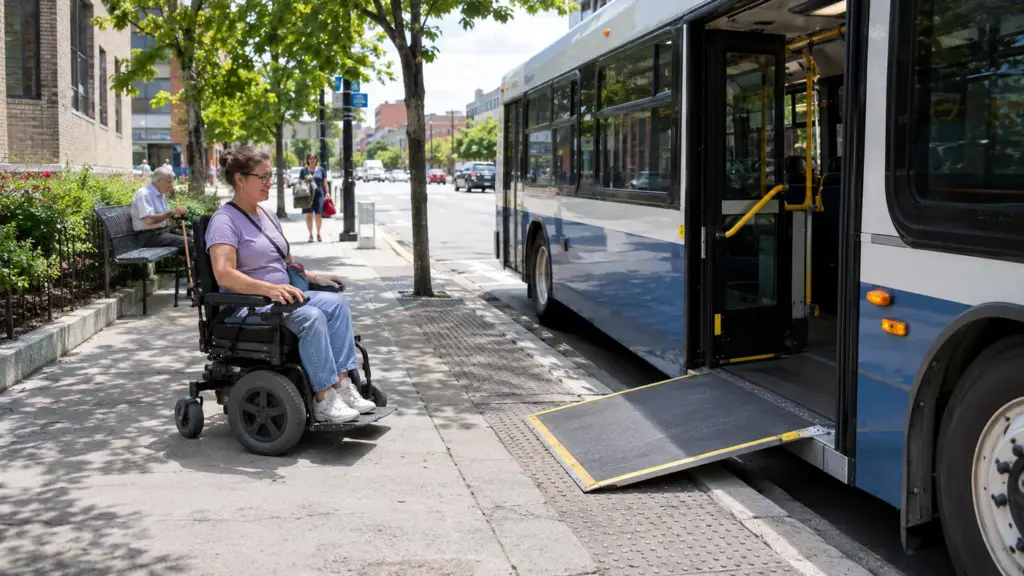
Build in usable time
Allow time for boarding, an unfamiliar transfer, and finding the right exit. Keep the essential details somewhere accessible if your phone loses power or mobile service. If you arrange assistance, note where to meet and how to contact the agency if plans change.
After the trip, record which entrance and boarding arrangement worked for you. Report a broken facility or unclear instruction through the agency’s official channel with the location and time. These notes can make the next trip easier without assuming conditions will remain unchanged indefinitely.