
What to Do When Your Usual Transit Service Is Disrupted
Confirm a transit disruption, compare practical alternatives, check payment and access, and communicate a realistic revised arrival time.
Updated October 30, 2026
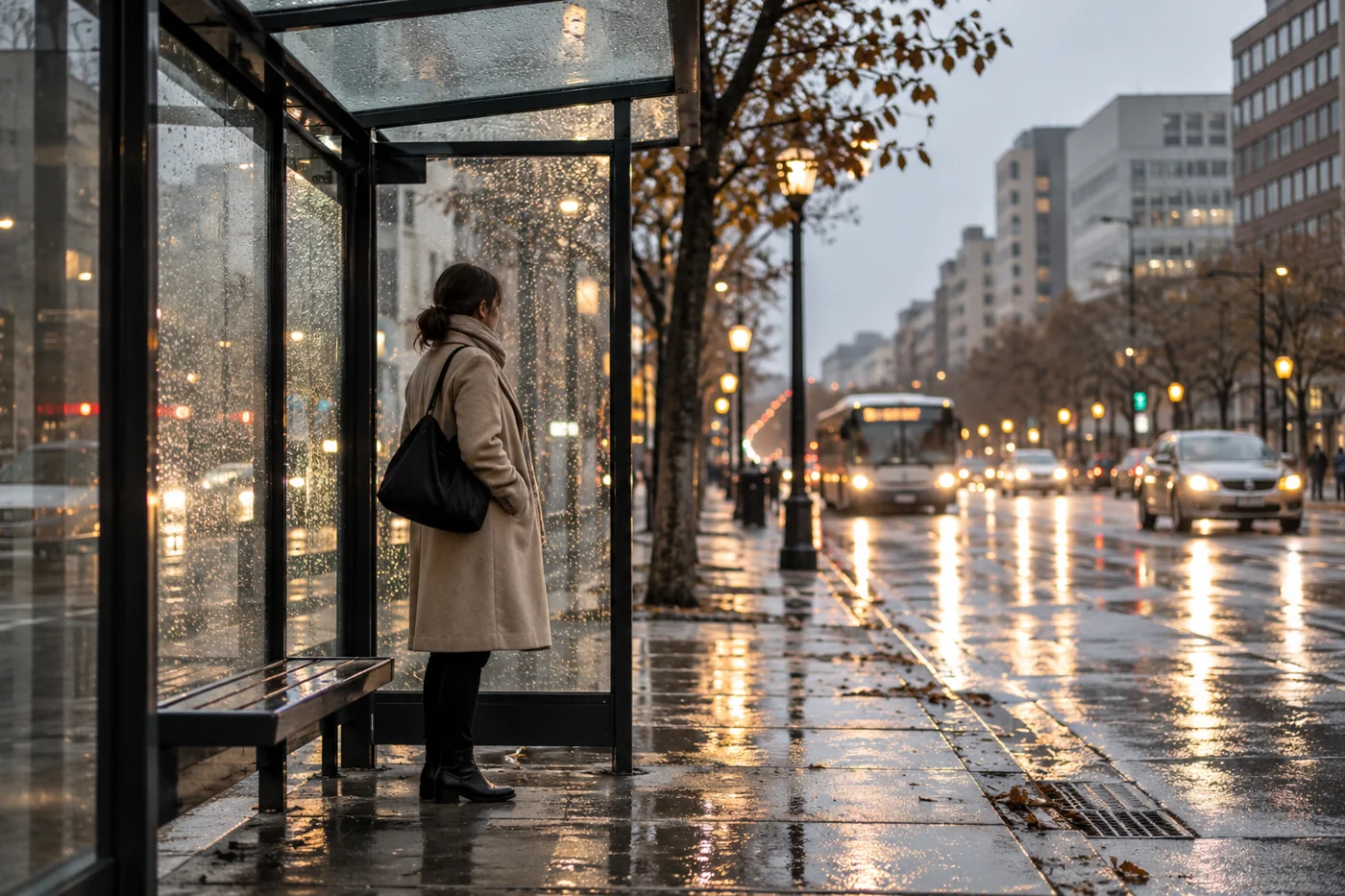
When a familiar service stops running normally, the immediate temptation is to move somewhere quickly. A better first step is to find out what has changed. A delayed vehicle, a closed station, and a suspended route require different decisions, and a rumor on the platform may not describe the whole situation.
Confirm the affected part of the journey
Read official service alerts and listen to staff announcements. Check the line, direction, stations, and time period involved. Agency resources such as Metro’s rider information can direct you to current planning tools and notices.
Distinguish between a confirmed reopening time and an estimate. If the operator has not provided a reliable time, avoid building a new plan around one. Keep yourself clear of doors, platform edges, and circulation routes while checking information.

Compare complete alternatives
Look at a parallel bus, another station, a permitted walking connection, or a rideshare option. Include waiting, the walk to the alternative, payment, and the final approach to work. The quickest vehicle segment may still create the slowest complete journey.
Check whether replacement service accepts your ticket, bicycle, luggage, or mobility equipment. A substitute bus may board from a different location. Follow official directions to that stop instead of following a crowd whose destination may not match yours.
Set a decision point
Choose a practical moment to reassess rather than refreshing arrival predictions every few seconds. For example, you might compare options again after the next official update. The right threshold depends on your deadline and the quality of the alternatives, not on a universal number of minutes.
Send a short revised arrival message once you have a workable plan. Give a range if the uncertainty remains significant. Communicating the delay reduces pressure to take an impractical shortcut through an unfamiliar area.
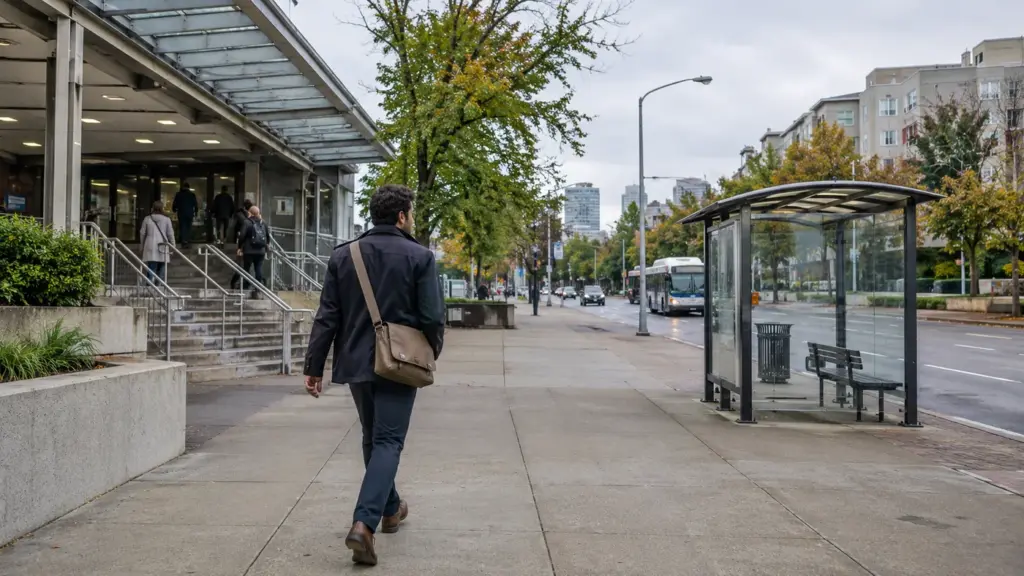
Follow staff directions during an incident
If you are on a stopped vehicle, use the operator’s instructions. Do not open doors or enter a track area on your own initiative. BART’s safety guidance explains why evacuation procedures and staff direction matter in its system; follow the equivalent instructions wherever you travel.
When the day is over, save the alternative that actually worked and note its cost. A disruption can reveal a useful backup, but check its normal operating hours before treating it as a permanent option.