How to Set Up an E-Bike Charging Routine at Home
A reliable e-bike commute starts with a charging routine that fits your battery, your home, and the hours you are awake.
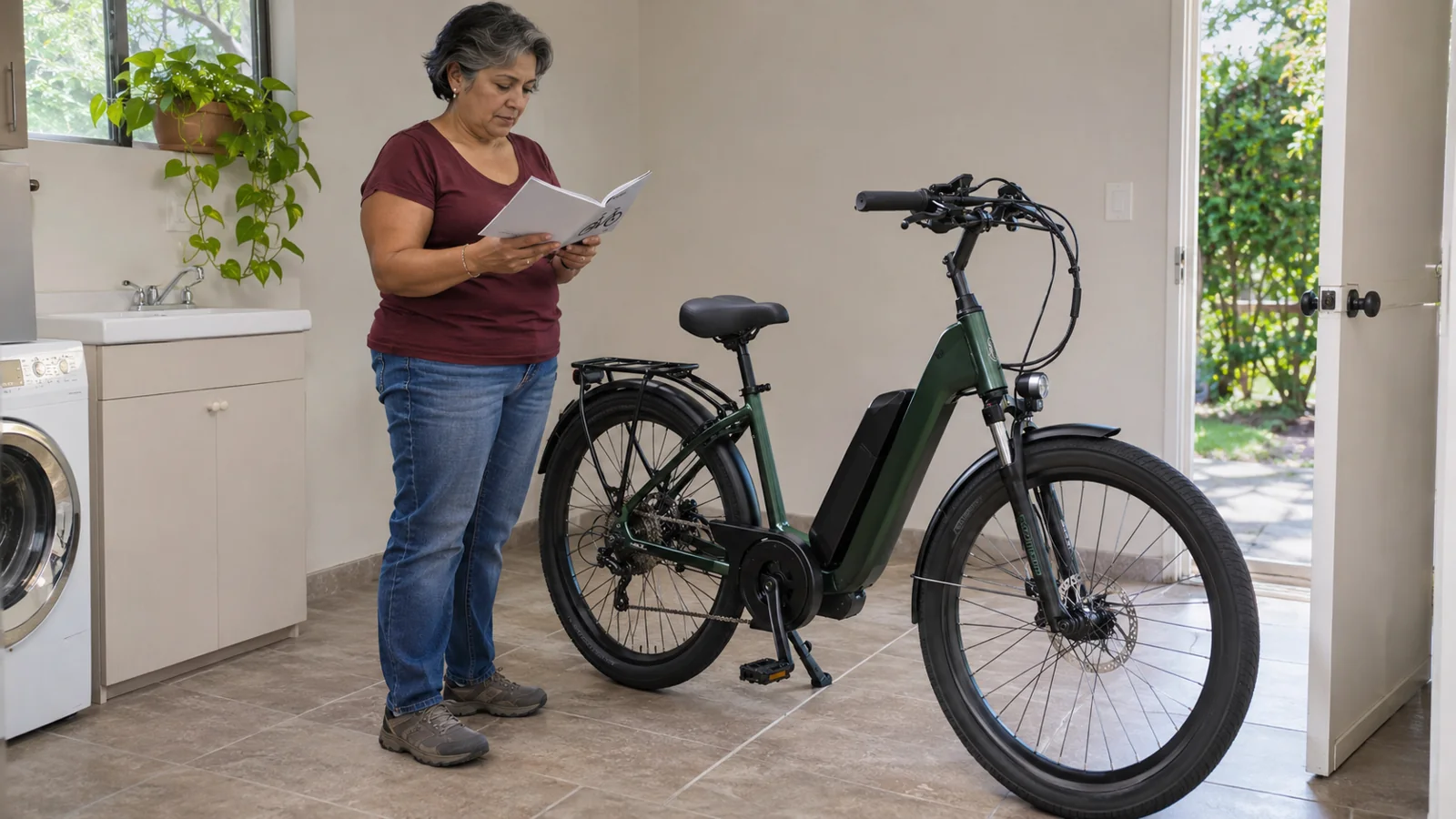
An e-bike can make a longer commute practical, but its charging needs become part of your household routine. The battery arrives home with the bike, often just as dinner, errands, or bedtime compete for attention. A convenient outlet is not the only thing to consider.
Before your next workday, decide which equipment belongs with the bike, where charging can happen, and when you will be awake and present to supervise it. The battery and bicycle manufacturer’s instructions should guide the details for your particular model.
Match the equipment before planning the schedule
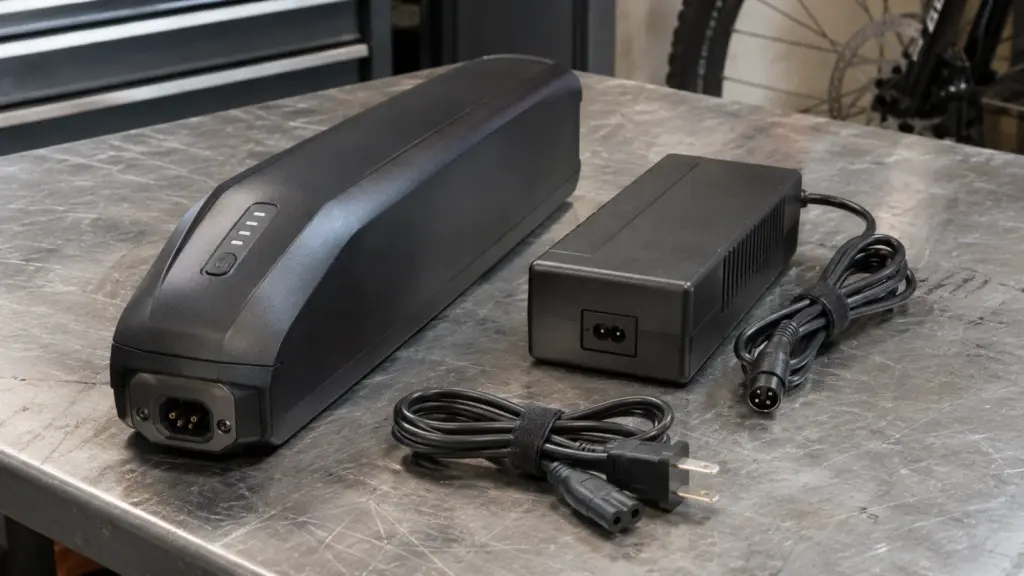
A plug that fits does not establish that a charger is suitable. The Consumer Product Safety Commission warns against incompatible “universal” micromobility chargers. Use the charger supplied with your product or a replacement approved and tested for it by the manufacturer.
Keep the model details and manual in a place you can find without searching through old order emails. If more than one battery-powered vehicle is stored at home, make the equipment easy to distinguish. A household label can help someone identify the right charger, but it does not substitute for checking compatibility.
If the correct charger is missing, resolve that before depending on the bike for tomorrow’s trip. Borrowing a similar-looking one is not a useful shortcut.
Choose a charging area that works for the household
The U.S. Fire Administration’s lithium-ion battery guidance recommends a solid, flat surface, ventilation, and separation from flammable materials. Its community safety guidance also emphasizes keeping exits clear. Follow any applicable building rules as well as the equipment instructions.
Look at how the space is used throughout the evening. Does a door swing into the bike? Will a bag or coat be placed on top of the equipment? Does the charging lead cross the route someone uses to leave the room? Choose a setup that does not depend on everyone remembering to step around it.
A shared hallway or stairwell needs particular attention because it may be an escape route. If your home cannot accommodate the manufacturer’s requirements and the building’s rules, ask about an approved alternative before establishing a daily charging habit there.
Build charging around time you are awake
The CPSC’s micromobility information center advises being present during charging, never charging while asleep, and unplugging once charging is complete. It also warns against using battery packs that have been modified or assembled from used cells.
Work backward from your day. If you arrive home and immediately go to bed after a night shift, that arrival time is not a suitable charging window. If your evening often changes, avoid building the commute around an unattended last-minute top-up.
Consider a simple routine: arrive, inspect the equipment, follow the manufacturer’s charging instructions during an awake period at home, then disconnect when complete. A reminder may help you remember the final step, but it does not replace supervision or the battery’s instructions.
Check the battery before treating low charge as the only issue
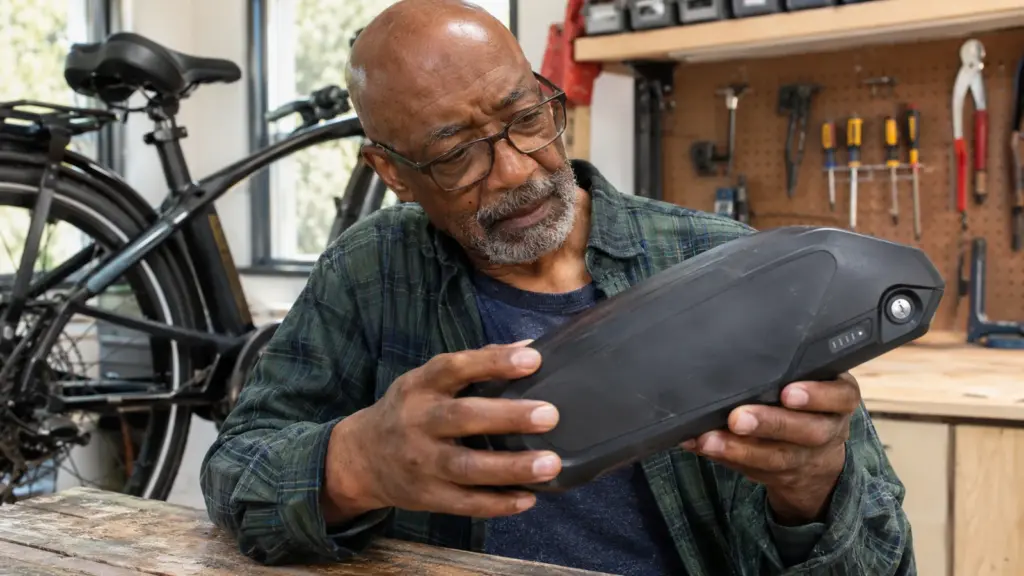
USFA identifies unusual heat, swelling, leakage, and other damage as warning signs. Stop using suspect equipment and follow the manufacturer’s guidance; do not attempt an improvised battery repair. If a battery catches fire, get out and call emergency services. Do not remain nearby trying to preserve the bike.
After a wet ride or a change in outdoor temperature, consult the manual for the model’s charging conditions. There is no single waiting time or temperature range appropriate to every product. Avoid making up a rule from another rider’s battery or another brand’s instructions.
Put the ordinary bicycle checks alongside this routine. Our five-minute pre-ride bike check covers the mechanical preparation that a full battery does not replace.
Give tomorrow’s commute another option
A battery problem should not force you to use questionable equipment. Identify the transit route, lift, or other realistic alternative you would use if charging has to stop. Our guide to building a backup commute helps turn that idea into a route you can actually take.
Keep the morning decision straightforward. Check that you have enough charge for the planned journey under your usual conditions, without promising yourself that a questionable connection at work will solve the return trip. For days involving transit, review how to combine cycling and public transportation and confirm the operator’s current e-bike and battery rules.
The best charging routine is repeatable: compatible equipment, an appropriate clear space, an awake supervision window, and a plan for the days when the bike needs to stay home.