Build a Backup Commute Before You Need It
Create a practical backup commute with a trigger, a complete alternative route, payment ready, and a realistic plan for the trip home.
Updated October 30, 2026

A backup commute should answer a specific problem. A transit delay, heavy weather, a bicycle issue, and a late finish may each need a different response. Start with the disruption most likely to affect you, then build one complete alternative you can actually use.
Name the trigger
Write a simple condition that makes you reassess the usual route. It might be a confirmed suspension, an unusable walking connection, or a departure later than the last useful service. Avoid a vague rule such as changing plans whenever the commute feels inconvenient.
Use official information where it matters. An agency’s rider tools, such as Metro’s planning resources, help confirm service conditions. NOAA’s weather-safety guidance reinforces the need to account for the conditions of the entire outdoor journey.

Build an alternative from door to door
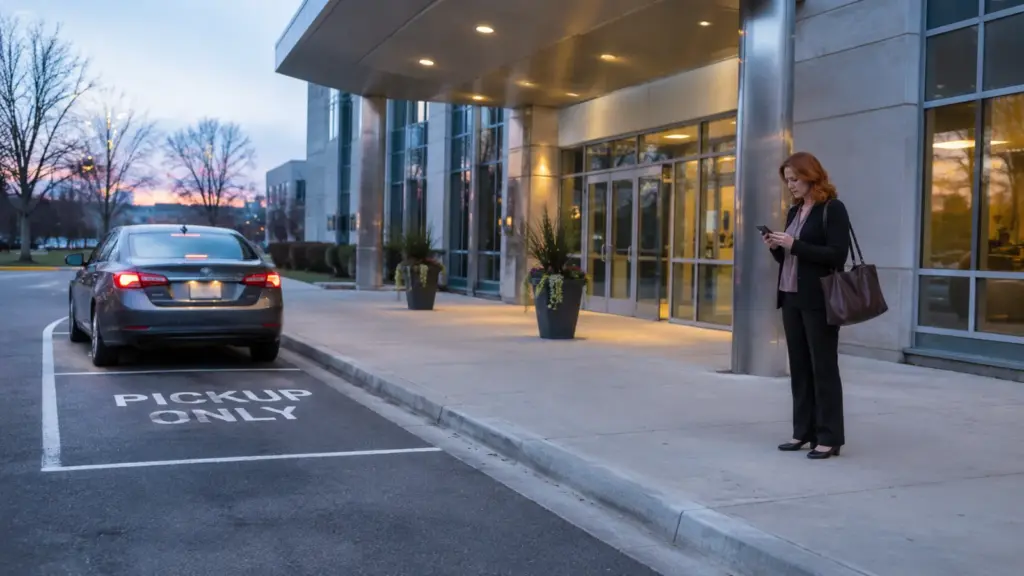
Include the walk, waiting, transfers, parking, and final entrance. Check the alternative at the time you would need it. A bus that works at lunchtime may not help after an evening shift.
Identify what must be ready: a transit card, a charged phone, an accessible boarding arrangement, or a permitted parking location. Save essential details offline so the plan does not depend entirely on a good mobile connection.
Check the return and the cost
If you leave a car or bicycle somewhere different, plan how you will retrieve it. A useful outward trip can create a difficult evening if it strands your equipment. Include any extra fare or parking charge in the decision.
Keep a modest budget allowance for occasional alternatives where possible. A backup does not need to be the cheapest route, but knowing its likely cost helps you choose without surprise. Treat an app price as an estimate until the service confirms it.
Test the weakest connection
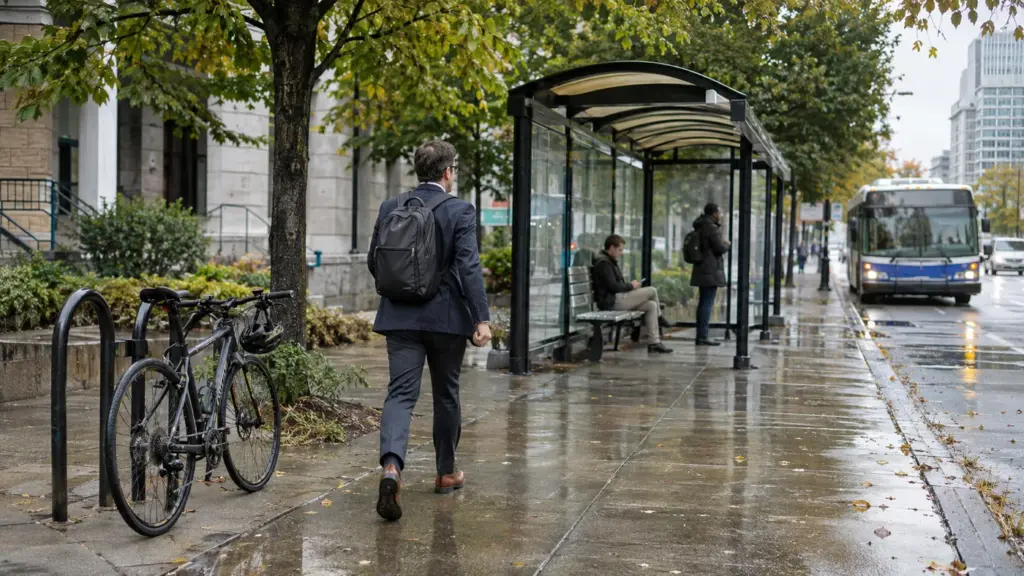
You may not need to rehearse the entire journey. Walk to the alternative stop, locate the station entrance, or check the garage access that makes you uncertain. Testing one doubtful detail can turn a theoretical option into a practical one.
Review the plan when your work hours, home, or local services change. Keep the instructions short enough to use under pressure. One workable alternative is more valuable than a long list of routes you have never checked.