Planning a Rainy-Day City Drive
Adjust your city-driving plan for rain with vehicle checks, extra travel time, flood awareness, and a practical arrival routine.
Updated October 30, 2026

Rain changes more than the time shown on a route map. Visibility can be poorer, the curbside arrival can take longer, and a familiar low spot may become unsuitable to cross. A useful rainy-day plan gives you room to respond instead of relying on the same departure time and route you use in dry weather.
Begin with the forecast and official local travel information. Check again near departure if conditions are changing. An old screenshot of the forecast is less useful than a current warning, road closure, or transit notice that affects your journey.
Check the parts of the car you depend on
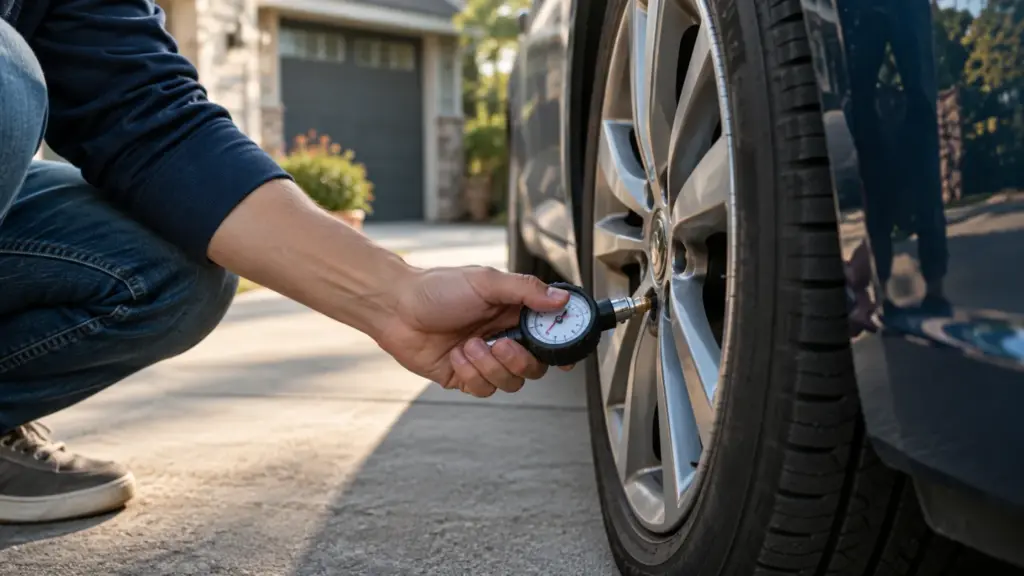
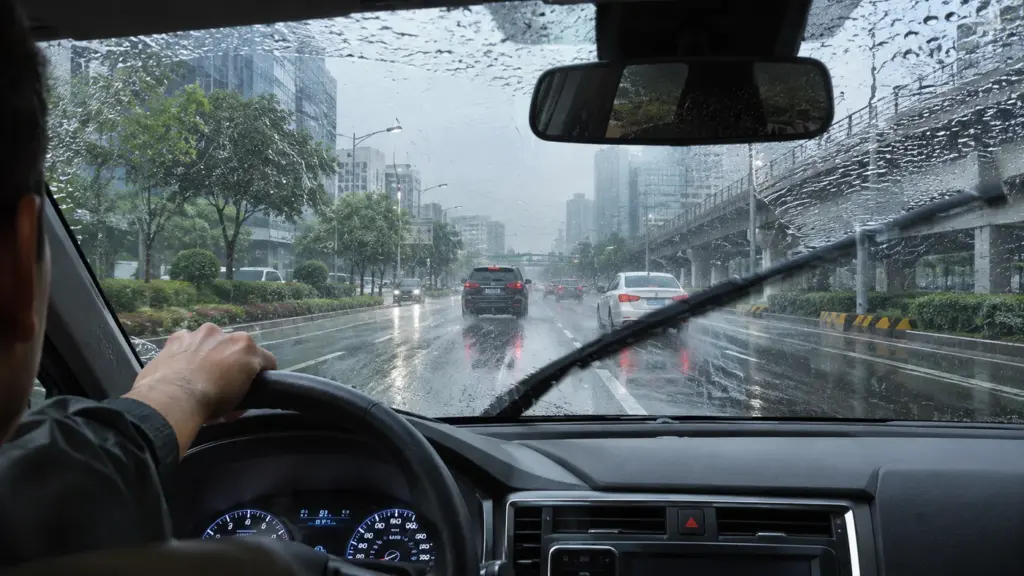
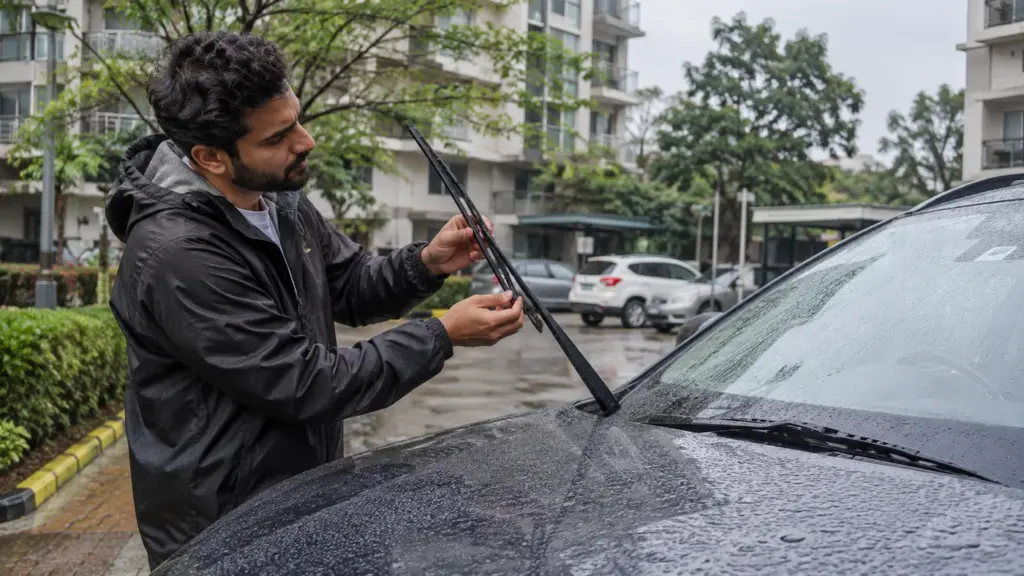
Make sure the windshield can be cleared properly and that the wipers, lights, and ventilation controls are working as expected. Deal with streaking, a persistent fogging problem, or a warning light before a difficult trip. Read the vehicle manual for relevant controls and maintenance guidance.
Keep items you will need at arrival together so they are not scattered across the cabin. An umbrella, work bag, and parking access card are easier to manage when you have planned where they will go. Avoid reaching around for them while approaching a busy entrance.
Build time around conditions rather than a fixed target
A departure buffer can reduce the temptation to hurry, but it should not be treated as permission to travel through conditions that are unsafe. NHTSA’s severe-weather guidance encourages preparation and attention to weather-related hazards. Adjust the journey to what is happening on the road, including visibility and available stopping space.
If the trip is optional, consider whether delaying it would be more practical. If it is necessary, let the person expecting you know that arrival depends on conditions. That communication belongs before driving or after stopping somewhere suitable, not while managing traffic.
Give flooded routes a different answer
Do not drive into water covering a roadway simply because another vehicle has crossed it. The National Weather Service’s flood-safety advice is to turn around rather than enter flooded roads. Water can hide a damaged surface or conditions you cannot judge from the driver’s seat.
Identify an alternative that does not depend on the same low point, underpass, or closure. A second route is not a real backup if it reaches the same blocked section from the other direction. Follow official closures and directions even when a navigation app still displays the route as available.
Prepare the final ten minutes
Check whether the garage entrance, pedestrian exit, and building entrance remain usable in rain. A short uncovered walk may require more time when carrying a laptop or work equipment. Pack vulnerable items in a suitable protective layer before leaving home.
Once parked, take a moment to organize your belongings and check the surroundings before opening the door. Keep your view clear while walking, especially near driveways and vehicle entrances. If an umbrella obstructs your view, stop and adjust it rather than continuing without seeing the path ahead.
Use one trip to improve the next
After a rainy commute, note the part that caused the most difficulty. Was it a fogged windshield, a waterlogged walking section, or an entrance you could not identify? Fix the specific problem while it is still fresh. A different parking location or repaired wiper may be more useful than a wholesale route change.
- Review current weather and travel notices.
- Check visibility equipment before departure.
- Keep a route option that avoids known closures or flooded sections.
- Protect work items and allow time for the walk after parking.
A rainy-day routine should make it easier to change plans when needed, including deciding that the usual journey should wait.