A Rideshare Verification Routine Before You Get In
Match your rideshare vehicle and driver details, understand optional PIN verification, and know what to do when pickup information does not match.
Updated October 30, 2026
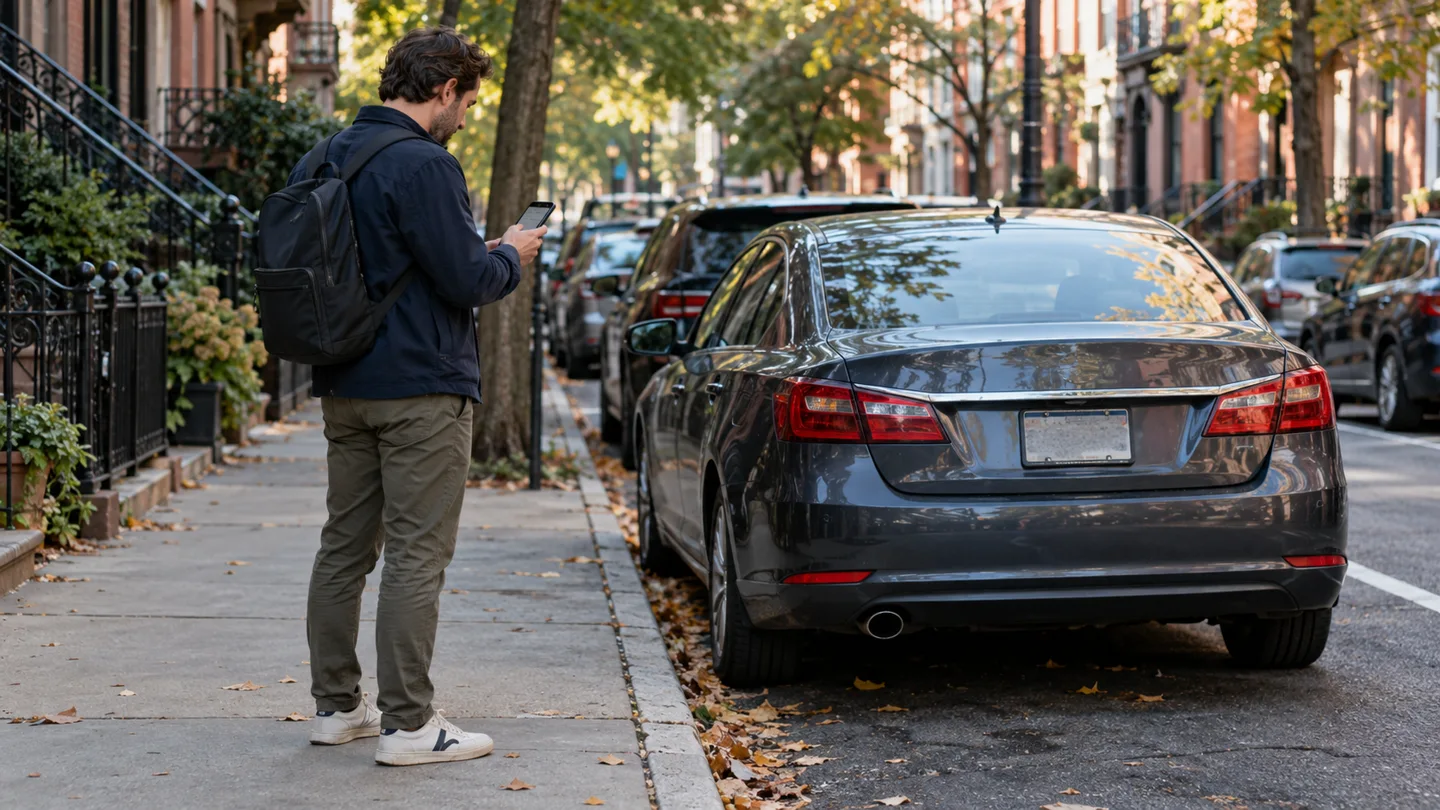
Rideshare verification works best as a habit you use on every trip. It is easy to skip a check when several similar cars arrive together or when someone appears to recognize you. Take a moment before opening the door to compare what is in front of you with the trip shown in your app.
Compare more than one detail
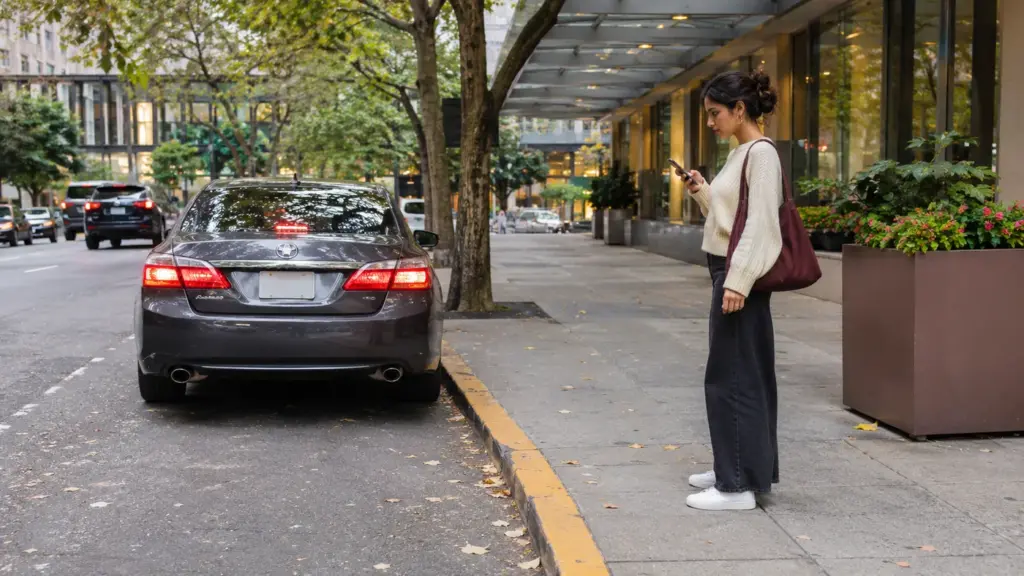
Check the license plate, vehicle make and model, and driver information. Look at the actual car rather than relying only on its color or a platform sticker. Uber’s official rider guidance describes these checks as part of its recommended pickup routine.
If a detail does not match, do not explain it away because the driver seems confident. Stay in a suitable waiting place and use the app’s support or cancellation process as appropriate. Do not move the transaction outside the platform to resolve a mismatch.
Understand optional verification features
Some services offer an additional PIN step. Uber’s Verify Your Ride feature uses a four-digit PIN to help confirm the trip. Check the current instructions and availability in your own app before relying on it.
A PIN supplements the vehicle and driver checks; it is not a reason to skip them. Share a trip verification code only as the platform directs, after confirming the vehicle. Treat account login and payment codes as private information, distinct from an intended ride-verification code.
Check the destination and seat belt
Once aboard the correct vehicle, confirm the destination is the one you intended. Buckle your seat belt and keep important belongings within reach without interfering with the driver. If you need to change the destination, use the app’s supported process.
Learn where the platform places its trip-sharing and help features before you need them. Their names and availability can change. Sharing trip progress with someone you trust can be useful, but it does not replace your own decisions about whether to begin or continue a ride.
Make a mismatch a reason to pause
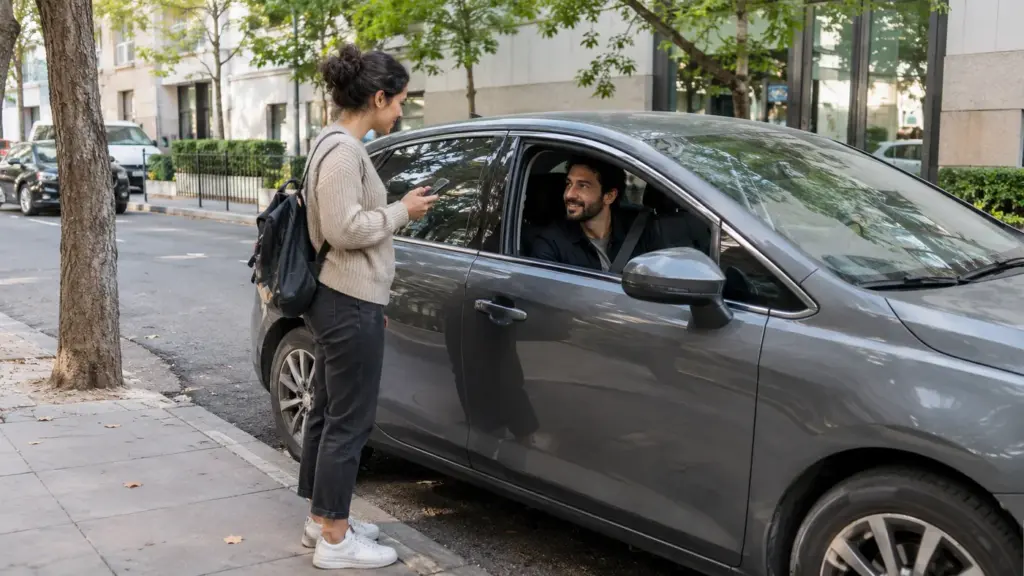
A delayed arrival is preferable to entering a vehicle you cannot verify. If the situation feels wrong, stay outside, move to a suitable public waiting place, and reconsider the journey. In an immediate emergency, contact local emergency services.
Afterward, report relevant details through the platform’s official channel. A clear description of the mismatch, time, and trip reference is more useful than speculation about why it happened. The goal is a routine that remains simple enough to repeat every time.