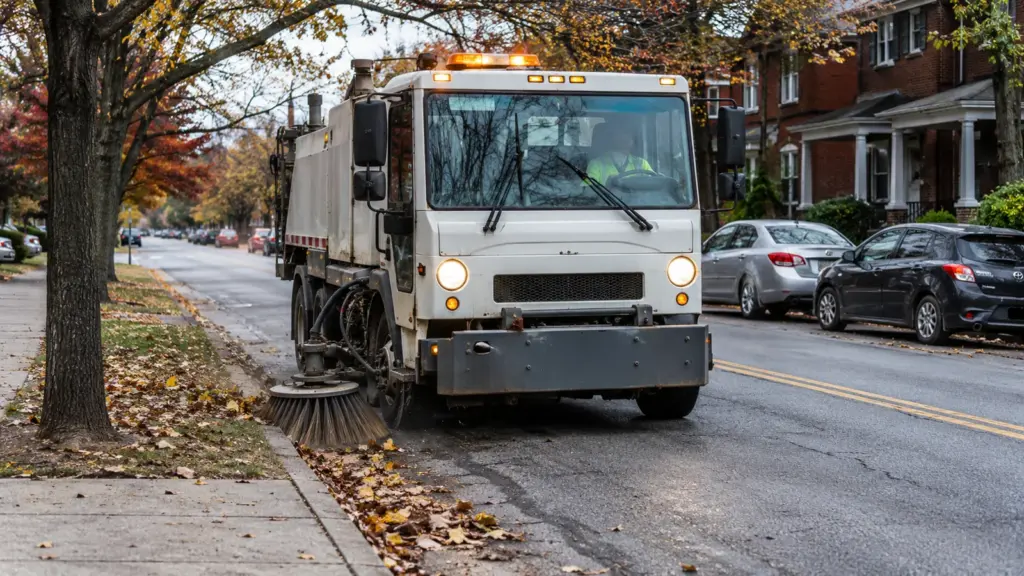
How to Read a City Parking Space Before Leaving the Car
Check parking signs, arrows, time restrictions, curb markings, and payment requirements before deciding that a city parking space is usable.
Updated October 30, 2026
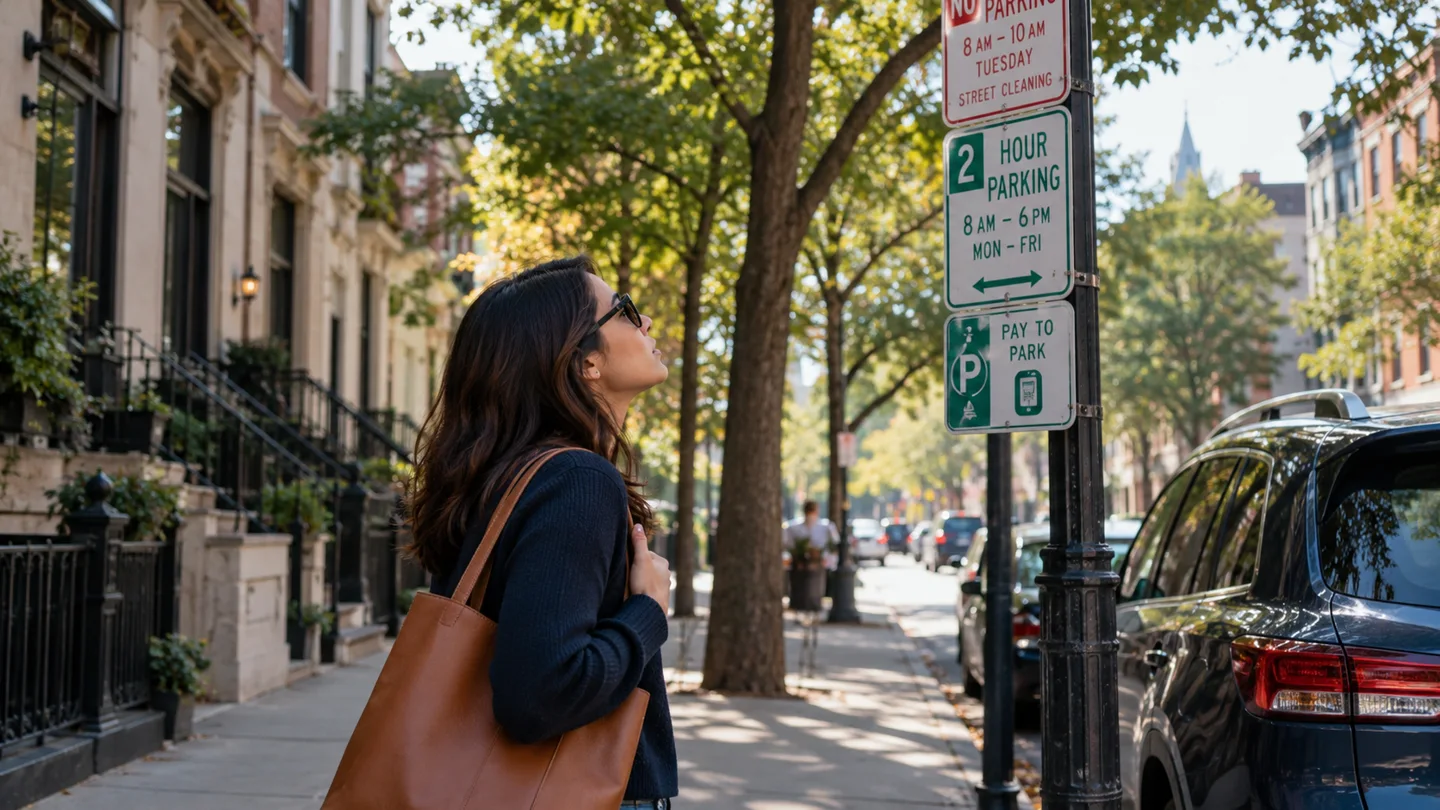
An empty space is only the beginning of a parking decision. The useful question is whether your vehicle may remain there for the entire time you expect to be away. Read the signs and markings before paying, then check how the restrictions change during your planned stay.
Read the whole block of information
Look for signs governing the space in both directions and note their arrows. A pole can carry several restrictions that apply at different times. Check the day, hours, maximum stay, permit requirements, and any temporary notice.
Use the local authority’s guidance when you are uncertain. SFMTA’s parking guide explains common issues in San Francisco, but its local rules should not be generalized to every city. The relevant signs and local authority determine the rules for your actual space.
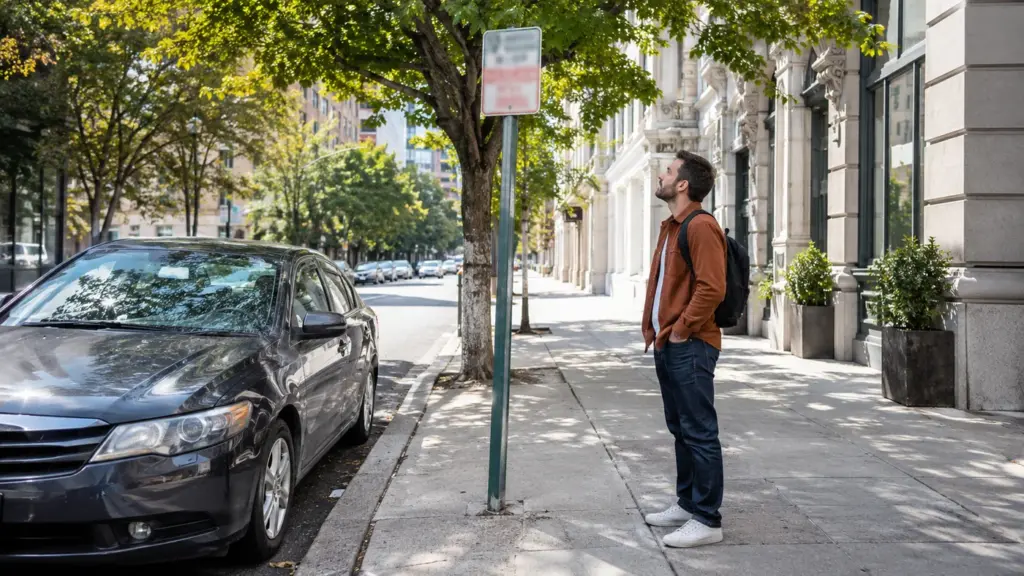
Test your full parking window
Compare the restrictions with your arrival and expected departure, including a reasonable delay. A space that is permitted now may become a loading area, cleaning zone, or restricted lane before you return. Paying a meter does not cancel a separate restriction.
If the signs appear inconsistent or you cannot determine which applies, choose another permitted option or contact the authority. Guessing is especially unhelpful when a workday will keep you away from the car for several hours.
Check the physical space
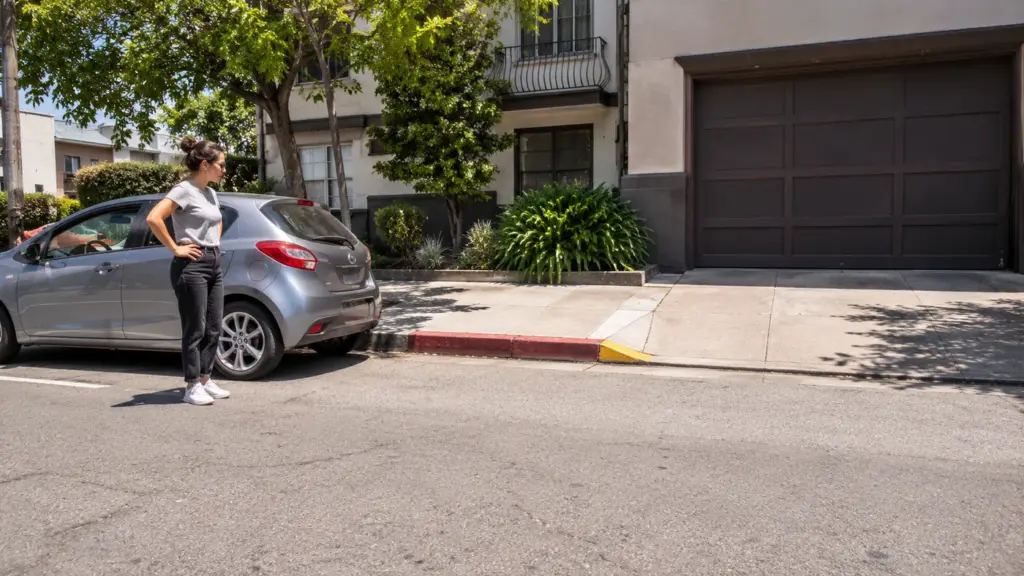
Look at curb markings, driveways, crossings, hydrants, accessible spaces, and other features governed by local rules. Do not assume that an unpainted curb means unrestricted parking. Consider whether the entire vehicle fits without obstructing access.
A photograph of the sign and location can help you remember the conditions, but it does not make prohibited parking permissible. Keep photographs private when they contain other people’s vehicles or personal information.
Confirm payment and departure
Use the official payment method and check the zone or space number, vehicle plate, and expiry time before confirming. Save the receipt if one is provided. Set a reminder early enough to return through a normal pedestrian route, allowing for the time needed to leave the building.
If the maximum stay does not cover your plans, use another parking option rather than relying on repeated payments or moving a short distance without checking the rules. A little certainty at arrival is more useful than spending the afternoon wondering whether the car can remain there.