
What to Check About Transit Fares and Transfers
Understand payment methods, transfer rules, passes, fare caps, and mixed-operator journeys before choosing how to pay for your commute.
Updated October 30, 2026

The lowest advertised fare may not describe the cost of your whole commute. Transfers, different operators, payment methods, and how often you travel can change the total. Before buying a pass, write down the actual journeys you expect to make in an ordinary week.
Identify who runs each leg
List the agencies involved in the outward and return trips. A shared station or similar-looking vehicle does not mean the same ticket covers both services. Check each agency’s fare page and any specific agreement between them.
For a concrete example of the information to look for, LA Metro’s fare page explains its payment options, transfers, and fare-capping arrangements. Those are that operator’s rules; they should not be assumed to apply to another city or every connecting service.
Read the transfer conditions
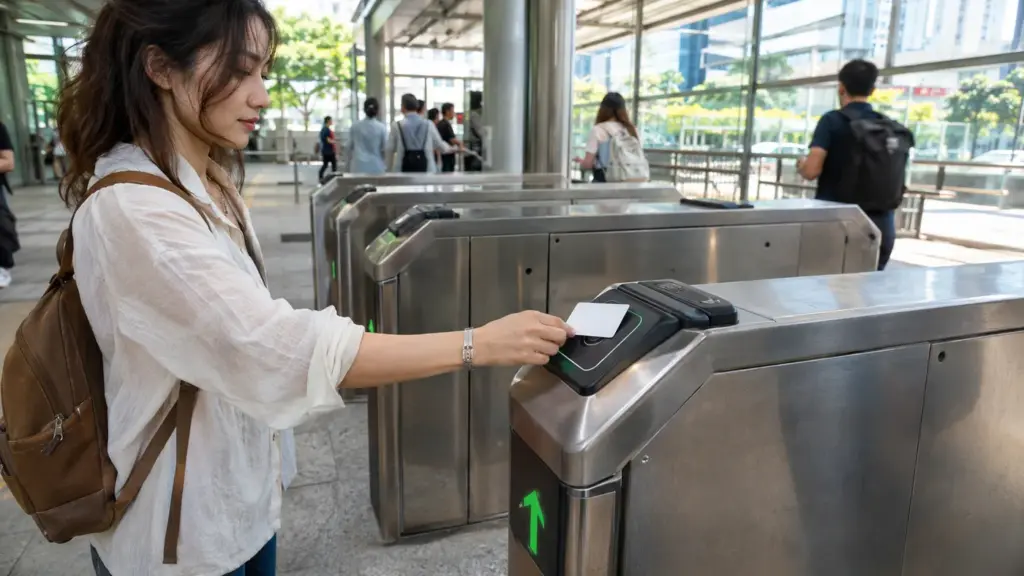
Find out whether a transfer is included, how long it remains valid, and whether you must use the same payment card or device. Check whether a return journey is treated differently from a continuing trip. If you need to tap when entering or leaving, follow the operator’s instructions consistently.
Keep enough time for the physical connection. A fare transfer window and a realistic walking connection are separate questions. Saving a fare is not useful if the route repeatedly requires a connection you cannot make comfortably.
Compare a pass with your real schedule
Count the days you expect to commute, including remote-work days, holidays, and planned leave. Add regular non-work trips only if you realistically make them. Compare that pattern with the pass price and coverage, not with a theoretical month of daily travel.
Fare caps can change the calculation, but only eligible payments and journeys may count. Check the reset period and whether switching between a physical card and a phone changes how trips are counted. Do not assume that cash, bank cards, and transit cards receive identical treatment.

Keep payment simple and recoverable
Set up the chosen method before the first trip and understand how to add value or replace a lost card. If an account offers transaction history, use it to check what you actually spent. Protect payment details and use the operator’s official site or app for account changes.
Review the choice after a few weeks. A pass that suited an old schedule may no longer fit a new one. The useful result is a payment routine that covers your actual journeys and makes the monthly cost easier to understand.