
What to Do If You Leave Something in a Rideshare
A missing bag or phone can derail the workday. Start with the trip record and give the driver a clear way to help.
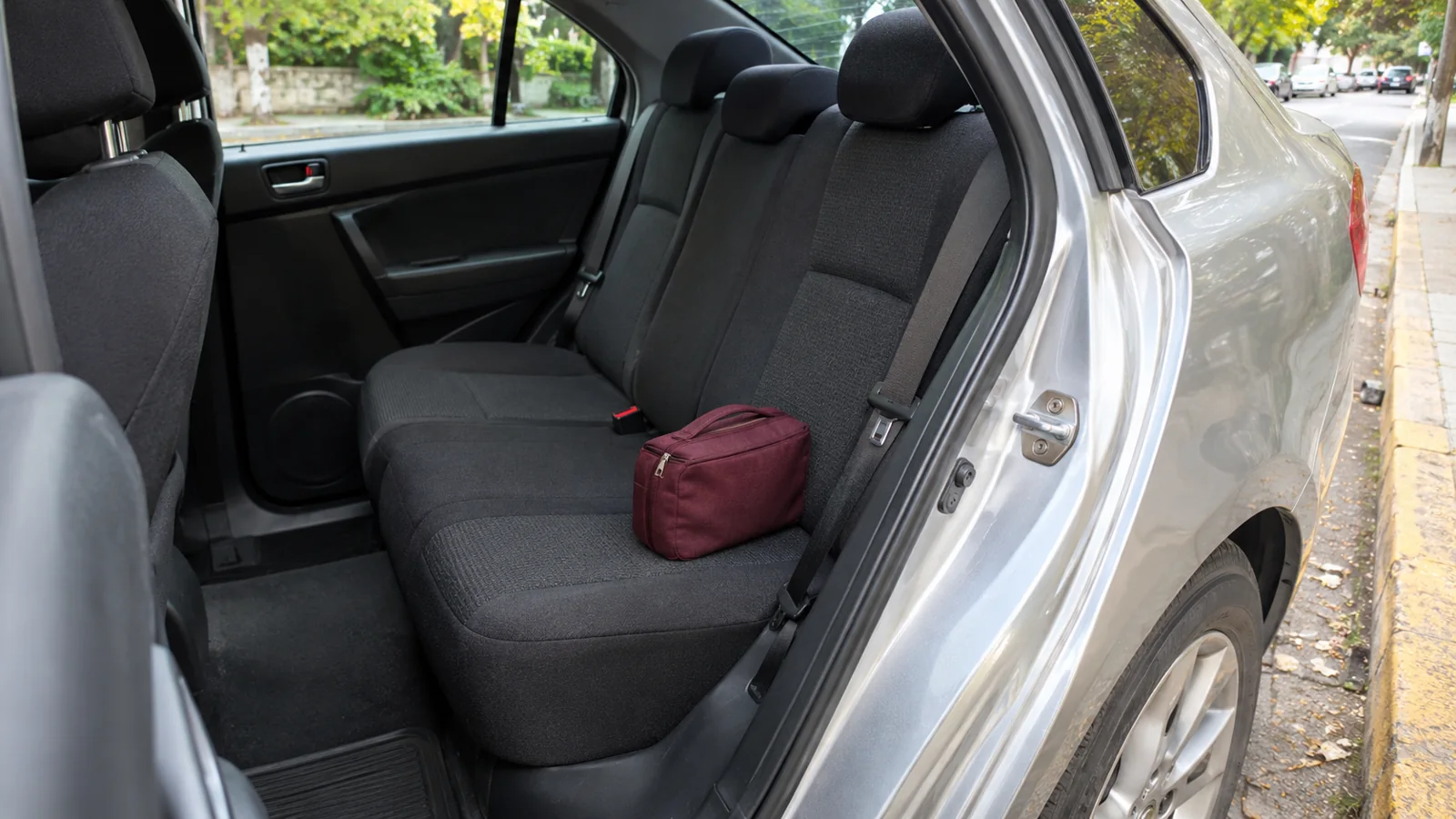
The car has pulled away, you reach for your phone or work bag, and the seat beside you suddenly comes to mind. A lost item in a rideshare creates two tasks: trying to recover the object and managing whatever you need in the meantime.
Start from a safe place on the sidewalk or inside a building. Do not chase a departing vehicle into traffic. Open the record for the specific trip, and keep the information you send concise enough for a driver to act on between rides.
Find the right trip before sending a report
Check the date, approximate pickup time, and destination. This matters if you took more than one ride that day or booked transportation for someone else. A report attached to the wrong trip can delay an otherwise straightforward search.
Write down a useful description: the type of item, its color or case, and where you last remember having it. “Small dark-green backpack on the rear passenger-side floor” is more helpful than “my bag.” Keep sensitive contents out of the initial message unless support specifically needs them.
Our guide to rideshare receipts and trip records explains how keeping the journey details organized can help with follow-up tasks like this.

Use the platform’s lost-item process
For Uber, use the relevant trip’s lost-item help to contact the driver. Uber’s official lost-item instructions explain the available contact steps and how to use another contact number if necessary. If the driver does not answer, leave a clear message rather than repeatedly calling while they may be driving.
Lyft provides a lost-and-found process through the ride record and email receipt. Its rider lost-and-found guidance describes contact options during the first 24 hours and a support route for a missing phone. Use the current instructions shown for your account and trip.
A useful first message can be simple: “I took a ride to Oak Street around 8 this morning and may have left a gray laptop sleeve behind the front passenger seat. Please let me know if you find it. You can reach me at this number.” Replace those illustrative details with your own.
If the missing item is your phone
Borrow a device you can use safely or access the service from another trusted device. Make sure the driver or support team has a contact method you can actually answer. Sending every update to the phone still inside the car will not help you coordinate.
For an iPhone, Apple’s lost-device instructions explain how Find My can locate a device and mark it as lost when the feature was enabled beforehand. Apple also warns against sharing passcodes, passwords, or verification codes with someone claiming the phone has been found.
Use your device maker’s official recovery guidance. A location on a map is not a reason to follow a vehicle or confront someone. Coordinate recovery through the trip’s support process, and sign out of borrowed devices when finished.
Agree on the return before traveling to meet
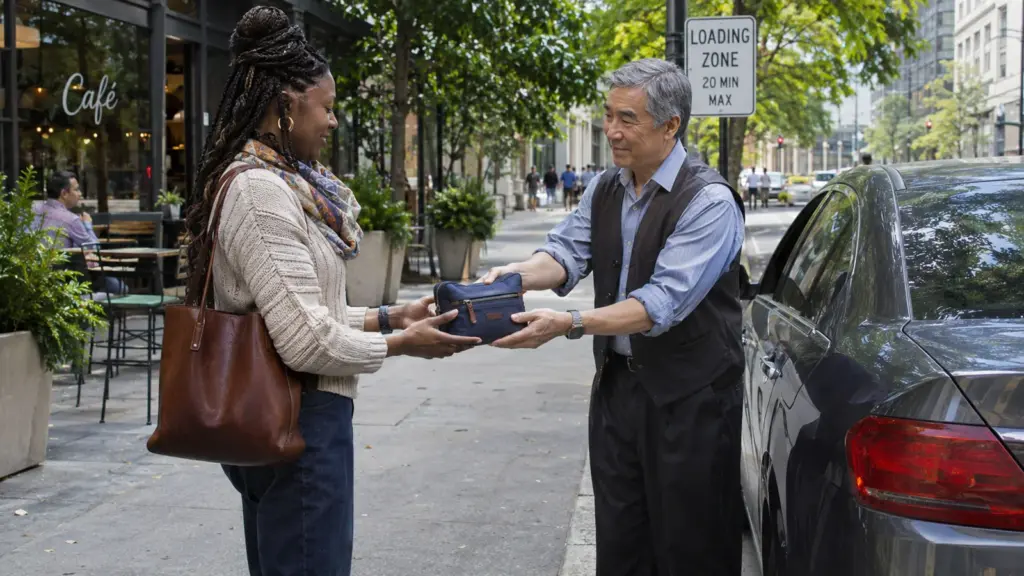
First confirm that the driver has found the item. Then agree on a time, a safe public location, and a way to recognize the correct person. Uber’s return guidance recommends a safe public meeting place and explains that a return fee may apply. Recovery is not guaranteed, and the driver may be working or unable to respond immediately.
Check the platform’s current return arrangements and any fee shown for your trip rather than relying on an old amount found online. Keep the arrangement in the platform’s communication or support record where available.
Choose a meeting point that is also practical for the vehicle. Our rideshare pickup guide can help you identify a place where you can wait away from traffic and the driver can stop appropriately.
Handle the rest of the day separately
If a work badge, laptop, or keys are missing, contact the relevant workplace team promptly and follow its access or device-security process. You do not need to wait for the recovery attempt to finish before arranging a temporary badge or letting a manager know why you may be late.
Keep a short record of when you reported the item and the response received. If you need to follow up, add information to the existing case where possible so the details remain together.
Make the next exit easier
Before your next ride ends, gather loose items into your bag while seated and check the seat and footwell before leaving. Once outside, stay clear of moving traffic. Our commuter-bag guide can help you give frequently used items a consistent place.
A small exit routine will not recover today’s missing item, but it can prevent tomorrow’s rushed arrival from creating the same problem again.